Buying a Waterfront Home on Lake LBJ: 10 Things You Must Know
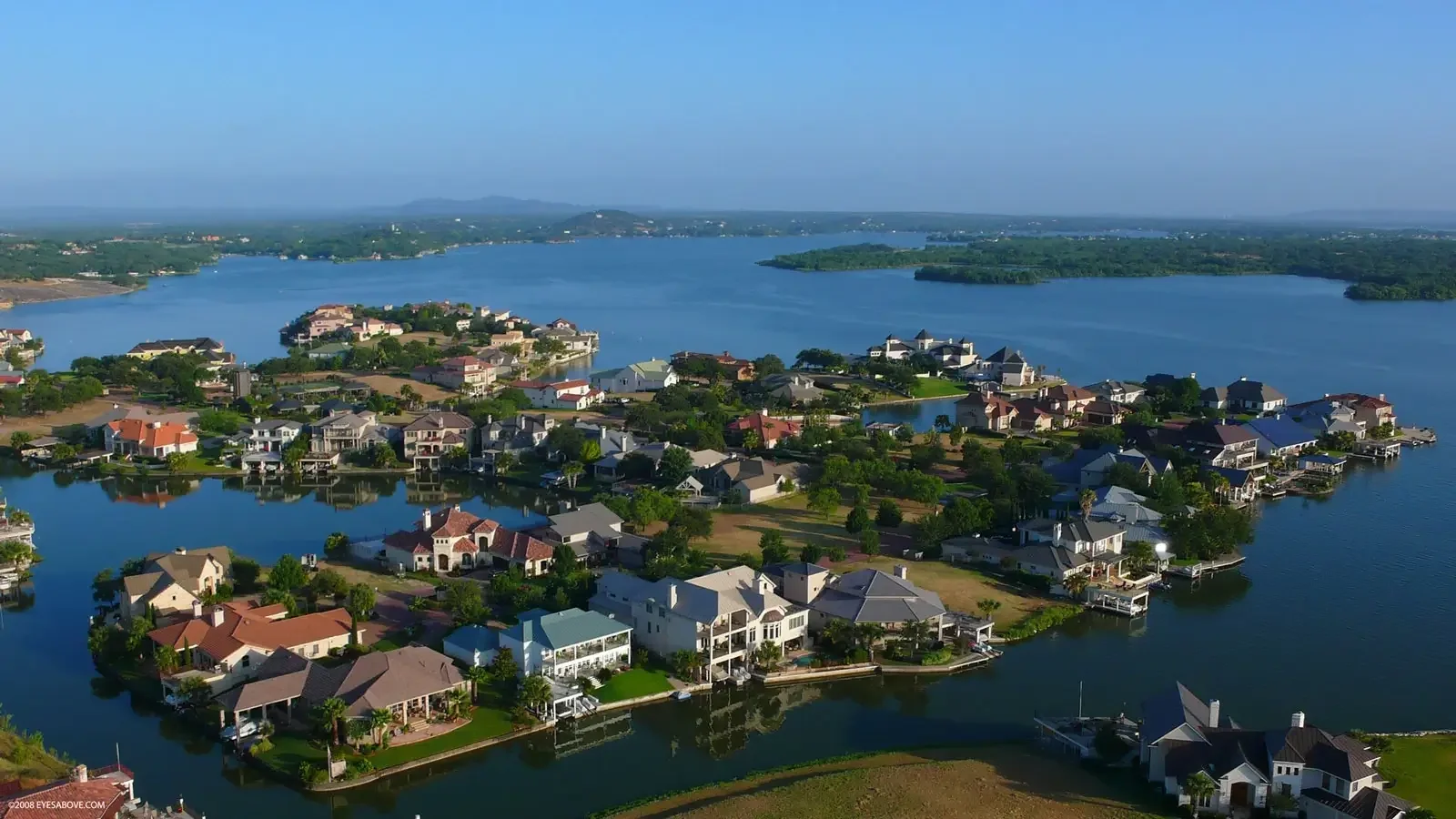
If you’ve ever spent a summer afternoon cruising on Lake LBJ, you already know why people fall so deeply in love with this corner of the Texas Hill Country. Waterfront living here isn’t just about owning a beautiful house with a nice view. It’s a complete lifestyle shift. It’s about walking out your back door in your bare feet, stepping directly onto your boat, meeting friends for dinner at a lakeside restaurant, or simply sitting on the patio with a glass of wine as the sun dips below the horizon, painting the sky in brilliant shades of orange and purple.
But buying a waterfront home on Lake LBJ is fundamentally different from buying a traditional suburban house.
Two homes can look nearly identical online, yet have drastically different values—and vastly different day-to-day realities—because of their waterfront.
As Realtors who live, boat, and work right here in the Horseshoe Bay and Lake LBJ area, we see buyers make the same avoidable, costly mistakes every year. Before you fall in love with a listing photo, here are the 10 critical, in-depth things you need to know about buying lakefront property on Lake LBJ.
1. Lake LBJ Is a Maintained-Level Lake (And That Changes Everything)
One of the biggest, most unique attractions of Lake LBJ is that it is managed by the LCRA (Lower Colorado River Authority) to stay at a relatively constant, maintained elevation year-round.
When comparing Central Texas lakes, this is a massive, non-negotiable advantage for buyers. On lakes that experience dramatic seasonal drawdowns—like Lake Travis or Lake Buchanan during drought years—docks end up sitting on dry, cracked mud, boat lifts become completely useless, and the shoreline turns into an unsightly, unusable mess for months at a time.
On Lake LBJ, your waterfront is usable, accessible, and beautiful twelve months out of the year. This consistency doesn’t just make for a better weekend; it directly protects and enhances your property’s long-term resale value. Buyers are willing to pay a premium for the peace of mind that their dock will actually be in the water when they want to use it.
2. Not All "Waterfront" Is Created Equal
This is the most important lesson we teach our buyers: the word "waterfront" on a real estate listing is not a one-size-fits-all description. It is merely a starting point.
Before you make an offer, you need to ask highly specific questions about the water itself:
Is it expansive open water, a protected, quiet cove, or a narrow, winding channel?
How deep is the water right at the end of the dock?
Can you easily and safely navigate a boat in and out, or is the turning radius too tight?
How heavy is the weekend boat traffic, and will you be in the direct path of wake from passing ski boats?
What is the view, and perhaps more importantly, what is currently zoned to be built across the water from you?
These micro-details dictate both your daily enjoyment of the property and its long-term resale value. A "waterfront" label on a listing does not guarantee a good waterfront experience.
3. Water Depth Is Non-Negotiable for Boaters
If you own a boat—or plan to buy one—do not skip this step. Some properties boast stunning, panoramic, million-dollar views but have frustratingly shallow water just a few feet from the shore. Others offer deep-water access right off the dock, allowing for easy, stress-free boating.
The draft of your specific boat matters immensely. A deep-V hull fishing boat, a large pontoon, or a luxury cruiser has very different depth requirements than a shallow-draft jon boat or a kayak. If the water is too shallow, you risk damaging your propeller or hull, especially when the lake experiences its minor, normal seasonal fluctuations.
When we help someone buy a Lake LBJ waterfront home, we don’t just evaluate the house. We evaluate how they are actually going to use the lake. We often recommend having a local marine contractor verify the depth and bottom composition before you finalize your purchase.
4. Inspect the Dock and Boathouse Like You Would a Roof
A great boat dock adds tremendous value, convenience, and joy to the Lake LBJ lifestyle. But don’t just look at how pretty it is in the listing photos. You need to look under the hood.
You must consider:
The age and structural condition of the pilings, decking, and hardware (is it rotting wood, or durable aluminum/galvanized steel?).
The weight capacity of the boat lift (does it safely match or exceed the weight of your boat?).
The condition of the electrical components, lighting, and GFCI outlets (water and electricity require strict safety standards).
Whether the physical configuration actually works for your specific boat and water toys.
Pro Tip: Never assume you can easily expand, repair, or replace an existing dock. LCRA permitting and local environmental regulations are incredibly strict. Any new construction or major modification requires an LCRA permit, which can take months to approve and may be denied if the property doesn't meet current setback or depth requirements. Always verify what is legally allowable before assuming you can "just fix it later."
a well-maintained seawall protects your shoreline, your yard, and your home’s foundation from erosion and water damage. Repairing or replacing a failing seawall can easily cost tens of thousands of dollars, and it is rarely covered by standard homeowners insurance.
During your due-diligence period, the seawall deserves the same rigorous, professional inspection as the roof, HVAC, and foundation. We highly recommend hiring a specialized marine or waterfront inspector who knows exactly what to look for, such as hydrostatic pressure damage, root intrusion from nearby trees, or failing tie-backs. Catching a seawall issue during the option period can save you from a massive, unexpected financial burden.
6. Open Water vs. Cove Living: Know Your Priority
There is no single "best" choice here; it entirely depends on your personal lifestyle and how you envision using the property.
Open Water: Offers spectacular, long-distance lake views, bigger waves, and that classic, expansive Lake LBJ experience. It’s perfect for those who love the energy of the lake, hosting large groups, and having unobstructed sunset views. However, it can mean rougher docking conditions and more weekend boat traffic.
Coves and Channels: Offer glass-like, calm water around the dock, significantly less weekend boat traffic, and often a more protected, swim-friendly environment. It’s ideal for families with young children, paddleboarders, or those who prioritize peace and quiet over expansive views.
Some buyers want the biggest possible sunset view no matter what. Others care more about having a quiet, protected spot to teach their grandkids to swim or safely launch a kayak. Knowing your true priority before you start touring waterfront homes will save you from buying a property that fights your natural lifestyle.
7. Think Carefully About Home Orientation
This is something buyers rarely think about until they’re standing on the back patio at 5:00 p.m. in mid-August, squinting into the blazing sun and wondering why the outdoor kitchen is too hot to touch.
Where does the sun set relative to the house?
How much intense, direct afternoon sun hits the outdoor living area, the pool, and the dock?
Will you have natural, cooling shade from mature oak trees or a well-designed covered patio?
What will the patio and pool deck actually feel like in July and August?
In Central Texas, a west-facing waterfront home gets the famous, postcard-perfect sunset, but it also absorbs brutal afternoon heat, which can drive up cooling costs and make the backyard unusable during the hottest parts of the day. An east-facing home offers cooler afternoons and beautiful morning light, but you miss the evening sun over the water. Orientation dramatically impacts your comfort, your utility bills, and your overall enjoyment of the home.
8. Understand Flood Zones and Insurance Realities
Waterfront buyers must thoroughly understand the property’s specific FEMA flood-zone designation.
Do not assume two waterfront homes sitting side-by-side will have identical insurance considerations. Factors like the home’s exact elevation, the presence of an Elevation Certificate, past claims history in the area, and precise proximity to the water all play a massive role in your premium.
Texas homeowners insurance rates have skyrocketed in recent years, and waterfront properties are scrutinized much more heavily by underwriters. Always discuss flood insurance requirements and get estimated premium costs from a qualified local insurance professional during your option period, not the week before closing. Being blindsided by a $5,000+ annual flood insurance bill can derail your entire budget.
9. Check HOA and Short-Term Rental Rules Early
If you are considering buying a Lake LBJ home as a vacation rental (Airbnb/VRBO) to generate income, do not assume short-term rentals are allowed.
Rules vary dramatically depending on the city, the specific subdivision, and the Property Owners' Association (POA) or Homeowners Association (HOA). This is especially true in and around Horseshoe Bay, where some neighborhoods strictly prohibit rentals under 30 days, require the owner to be present during the rental, or cap the total number of rental permits issued in the community.
Furthermore, if the property is within the Horseshoe Bay Resort boundaries, there may be additional layers of resort-specific regulations. If rental income is a core part of your investment thesis, investigate these restrictions in writing with the HOA management company before making an offer.
10. The Waterfront Often Matters More Than the House
This is the hardest concept for buyers to grasp when scrolling through Zillow or Realtor.com, where algorithms prioritize square footage and bedroom count.
You might find two Lake LBJ homes with similar square footage, similar interior finishes, and similar overall lot sizes—but one is priced $300,000 higher. Why?
The waterfront.
Water depth, linear frontage, orientation, view corridors, privacy, dock configuration, and ease of boating are what truly drive lakefront value. A modest, slightly dated house on a pristine, deep-water, open-lake point lot will often hold its value better, appreciate faster, and sell much quicker than a brand-new, luxury-spec "McMansion" situated on a shallow, narrow, noisy channel.
In lakefront real estate, the dirt (the land and the water rights) is the appreciating asset. The house is often a depreciating, or at least maintenance-heavy, asset. Buy the best waterfront you can afford, knowing you can always update a kitchen, but you can never change the water.
Where Should You Buy on Lake LBJ?
Lake LBJ offers several distinct waterfront lifestyles, and the "right" choice depends entirely on whether this will be your primary residence, weekend getaway, retirement home, or investment property:
Horseshoe Bay: Best for buyers who want resort amenities, championship golf, upscale dining, luxury homes, and a highly active, vibrant social community. It commands a premium price but offers unparalleled convenience and prestige.
Kingsland: Known as the "Heart of the Highlands," Kingsland offers a more laid-back, diverse feel with a wide variety of waterfront properties (from affordable cabins to large estates), great local marinas and eateries, and a strong, welcoming sense of small-town community.
Granite Shoals: A fantastic option for buyers who want direct lake access, larger lot sizes, and a quieter, more residential, family-friendly atmosphere, while still being just minutes away from the shopping and medical facilities of Marble Falls.
Sunrise Beach / Cottonwood Shores: These smaller, tight-knit communities offer a more rustic, "old Texas lake" feel, often with more affordable entry points and a strong focus on community events and local marina life.
Frequently Asked Questions About Lake LBJ Waterfront Homes (AEO Optimized)
Is Lake LBJ a good place to buy a waterfront home? Yes, absolutely. For buyers seeking a true Texas Hill Country lake lifestyle, Lake LBJ consistently stands out due to its maintained water levels, strong year-round boating culture, close proximity to Austin and San Antonio, and diverse property options ranging from cozy weekend cabins to ultra-luxury waterfront estates.
Does Lake LBJ water level go down? Lake LBJ is a "maintained-level" lake managed by the LCRA. While minor, normal seasonal fluctuations of a foot or two can occur, it does not experience the drastic, multi-foot summer drawdowns seen on other Texas lakes like Lake Travis or Lake Buchanan. This makes it highly reliable for year-round docking, boating, and swimming.
How much does it cost to replace a seawall on Lake LBJ? Costs vary widely based on the linear footage, materials used (poured concrete, steel sheet piling, or riprap), and LCRA permitting requirements. However, buyers should generally budget anywhere from $15,000 to $40,000+ for a full seawall replacement. This is why we always recommend a specialized waterfront inspection before buying.
Can I build a new dock on my Lake LBJ property? Maybe, but not automatically. All dock construction, expansion, or major repair on Lake LBJ requires a permit from the LCRA. Properties must meet specific, strict criteria regarding water depth, environmental impact, and property setbacks. Never assume an existing, non-compliant dock can be legally rebuilt just because it is already there.
Are short-term rentals allowed on Lake LBJ? It depends entirely on the specific neighborhood, city ordinances, and HOA rules. While the cities of Kingsland and Granite Shoals may allow them under certain conditions, many subdivisions within Horseshoe Bay and surrounding Highland Lakes communities have strict bans or minimum stay requirements (e.g., 30 days). Always verify the specific rules in writing with the HOA before purchasing for investment purposes.
Ready to Find Your Perfect Spot on the Lake?
Buying on Lake LBJ requires more than just finding a house with a pretty view that you love. You need to understand the water, the rules, and the hidden details that make or break a lakefront investment.
That is the biggest advantage of working with a Realtor who regularly buys, sells, and lives the Lake LBJ and Horseshoe Bay waterfront lifestyle. At the Kelly Realty Team, we don’t just help you evaluate the square footage, the roof, and the kitchen. We help you evaluate the dock, the seawall, the sunset view, the HOA covenants, and the community culture.
If you’re considering buying a waterfront home on Lake LBJ, we’d love to take you out on the water, compare properties side-by-side, and find the location that perfectly fits the way you want to live.
Contact the Kelly Realty Team at eXp Realty today.
Horseshoe Bay • Lake LBJ • Texas Hill Country